Recording
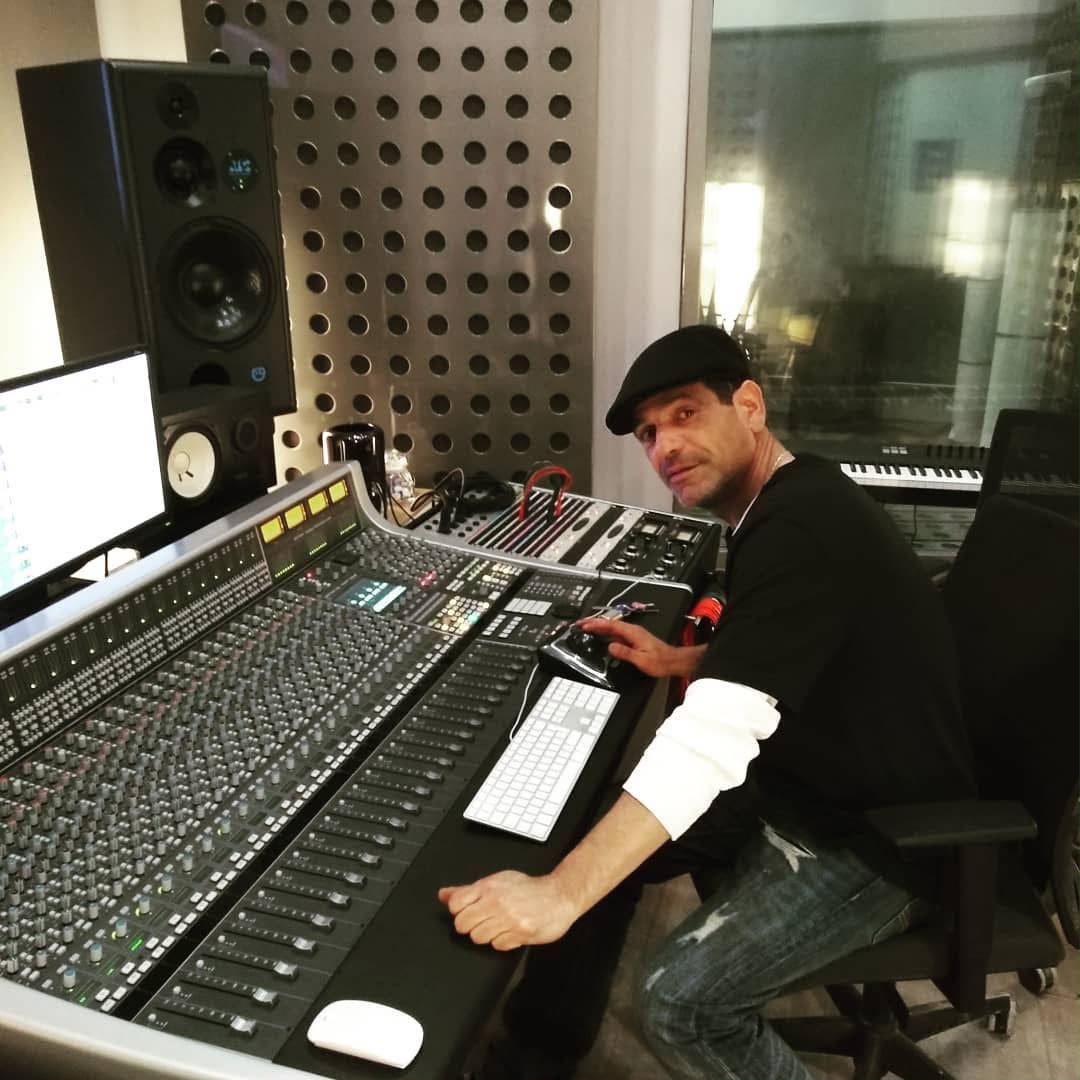
Recording studios
I work with several leading professional recording studios, and choose the studio best suited to each project's needs rather than limiting the work to one specific studio. This lets me record a wide variety of instruments and styles, use professional recording equipment and up-to-date technology, and specifically tailor the recording quality to the requirements of each individual project.
Vocals, rap and voiceover
Vocals, rap and voiceover can all be recorded, with the recording method tailored to the type of voice and the purpose it's being recorded for.
The recordings are made at a high level of quality and under conditions that produce clean, accurate material, suited to further work in production and mixing.
Recording instruments
A wide range of live instruments can be recorded - guitars, keys, drums, acoustic instruments and various electric instruments.
Every instrument and style of playing has different recording requirements. The choice of microphones, their placement, the number of recording channels and the way of working are all determined according to the instrument, the musician and the desired result.
Recording drums, for example, requires working with several microphones and channels at once, in order to capture the kit in a balanced way and allow control over every part of it at the mixing stage. For other instruments, a different recording method can be chosen depending on the sound's character and the instrument's role in the production.
From idea to a work plan
In my view, recording is part of a larger process. You don't always arrive at the studio with a project that's already built down to the last detail, and that's fine.
When an idea, a sketch or an existing project reaches me, I first try to understand what you're trying to achieve and what already exists. I then divide the work into clear stages: what needs to be recorded, what needs to be prepared, which musicians or instruments are needed, what should be done in the studio, and what's better left for later stages.
In a more complex project, this planning makes it possible to work in an organized way and know at every stage what we're doing and why.
I believe the way to reach a good result starts with correctly understanding the idea and building a work plan that fits it. From there, we can move forward step by step, without skipping important things and without doing unnecessary work.
Material ready for further work
At the end of recording, you receive raw, high-quality files, organized and ready for further work and mixing.
Already at the recording stage, I pay attention to things that will affect the following steps - source quality, recording level, microphone choice, unwanted noise, recording channels, and the order in which the materials are delivered.
The goal isn't just to get files out of the studio, but to provide material you can keep working with in a professional and efficient way.
Experience and way of working
I come to this work with years of experience in recording, music production and sound, working with artists, musicians, productions and studios.
This experience lets me handle both the technical side of recording and the bigger picture of the project. I can look at an idea and ask what needs to happen for it to become a finished result - and then build the path to get there.
I don't try to force one way of working onto every project. Every song, artist or production has different needs. My role is to understand them, suggest a suitable way of working, and accompany the process until we reach the result the client wants.
At the same time, there are things I don't compromise on: recording quality, an organized process, technical precision, and a result you can keep building on.
If you have an idea, a song, an existing project, or even just a direction you want to develop - you can send me a message and briefly tell me what it's about. From there we can understand what's needed and the right way to start.